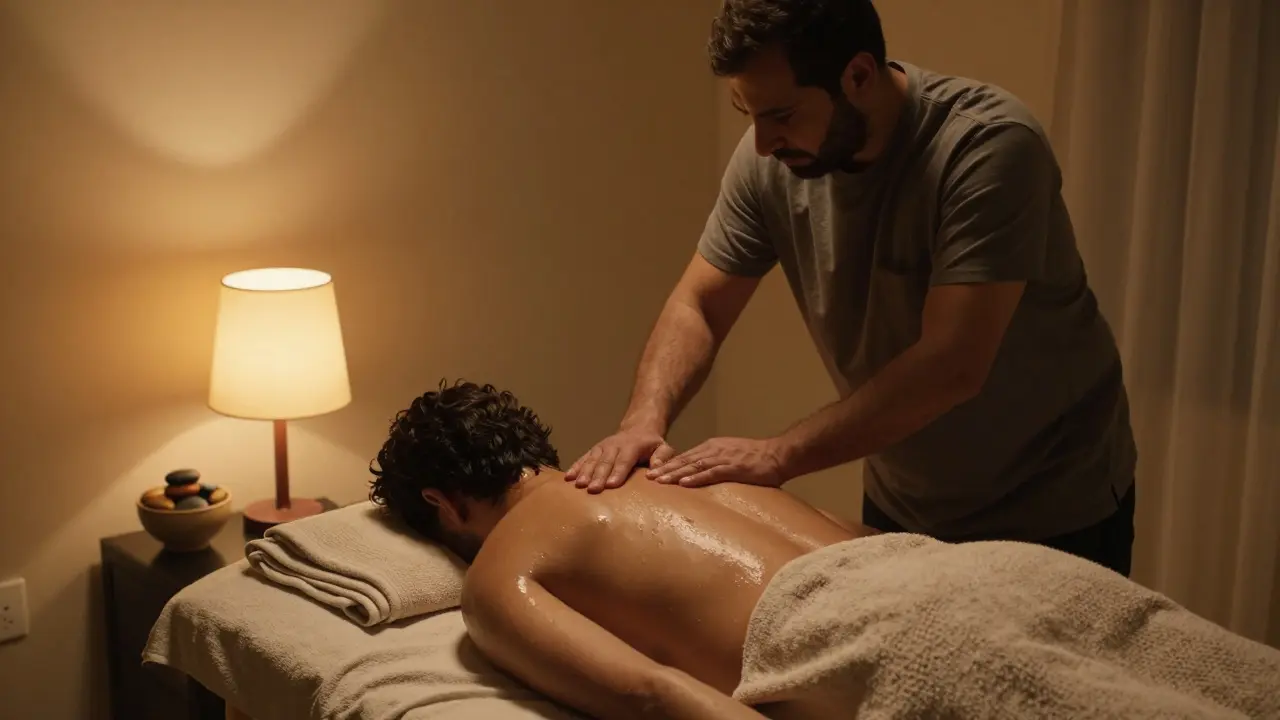
You’ve had one of those weeks. The kind where your shoulders stay clenched even when you’re lying down, your neck feels like it’s holding a brick, and the idea of sleeping feels like a distant memory. You’re not alone. In Dubai, where the pace never slows and the heat never quits, stress isn’t just a feeling-it’s a daily companion. But what if you could hit pause? What if the best massage in Dubai didn’t just feel good-it actually turned your stress off?
Key Takeaways
- The best massage in Dubai isn’t about luxury-it’s about results. Look for therapists trained in deep tissue, Thai, or Ayurvedic techniques.
- Stress relief isn’t a side effect-it’s the main goal. A good session lowers cortisol, slows heart rate, and resets your nervous system.
- Don’t chase the fanciest spa. Some of the most effective massages happen in quiet, unmarked rooms with therapists who’ve been doing this for 15+ years.
- Booking ahead is non-negotiable. The top spots fill up weeks in advance, especially during holiday season.
- Aftercare matters. Drink water, avoid caffeine, and give yourself 30 minutes to float back to reality.
What You Really Need: A Massage That Actually Works
Not all massages are created equal. In Dubai, you’ve got options-from high-end hotel spas with chandeliers and rose petals to hidden studios above shisha lounges in Al Karama. The difference? Results.Think about it. You’re not paying for the scent of lavender or the silk robes. You’re paying for someone who knows exactly where your tension hides. The knot between your shoulder blades? The tightness in your jaw from staring at screens all day? The ache in your lower back from walking endless malls in heels or flip-flops? A skilled therapist finds those spots-and releases them.
Real stress relief isn’t about pampering. It’s about neurology. A good massage triggers your parasympathetic nervous system. That’s the part of your body that says, “It’s safe to relax now.” Studies show that just 60 minutes of targeted massage can reduce cortisol (your stress hormone) by up to 31%. That’s not magic. That’s science.
Types of Massage That Actually Work in Dubai
Here’s what’s actually effective-based on what locals and expats swear by:- Swedish Massage: Gentle, flowing strokes. Great if you’re new to massage or just need light tension release. Perfect for first-timers or days when you’re too tired for deep work.
- Deep Tissue Massage: Targets chronic knots. If your neck has been stiff since your last Zoom call, this is your go-to. It’s not always comfortable-but it’s the only thing that fixes it.
- Thai Massage: You stay dressed. The therapist uses their hands, elbows, and feet to stretch and press. Feels like yoga with a human guide. Ideal if you’re stiff from sitting all day.
- Ayurvedic Massage: Uses warm herbal oils and rhythmic strokes rooted in 5,000-year-old Indian healing. Best for deep emotional stress. Many say it feels like your body remembers how to relax.
- Hot Stone Massage: Smooth, heated stones melt into tight muscles. Feels like warmth is pulling the tension out of you. Great in winter months, but surprisingly effective year-round in Dubai’s air-conditioned rooms.
Pro tip: Avoid “aromatherapy” or “couples massage” packages if your goal is stress relief. Those are for romance, not recovery. Stick to the ones that mention “therapeutic,” “deep release,” or “muscle tension.”
Where to Find the Real Deal (Not Just the Instagram Spas)
You don’t need to book a suite at the Burj Al Arab to get a life-changing massage. In fact, some of the best therapists work in quiet, no-frills studios.Here’s where to look:
- Al Karama: Tucked above small shops, you’ll find Thai and Ayurvedic therapists who’ve been doing this for decades. No website. Just word of mouth. Ask a local yoga studio.
- Downtown Dubai (near Dubai Mall): Look for clinics with licensed physiotherapists who offer massage as part of rehab. These folks know anatomy inside out.
- Jumeirah Beach Residence (JBR): Many expats swear by the quiet studios near the promenade. They cater to fitness pros, nurses, and teachers-people who know what real recovery feels like.
- Deira: Hidden gems here. Try searching for “Thai massage Deira” on Google Maps and look for places with 4.8+ ratings and 100+ reviews. Avoid places with only 5-star reviews and no photos of the therapist.
Check Instagram hashtags like #DubaiMassageTherapist or #DubaiRelaxation. Real therapists post videos of their hands working-not just the spa room. If the feed is all candles and flowers, move on.
What Happens During Your Session
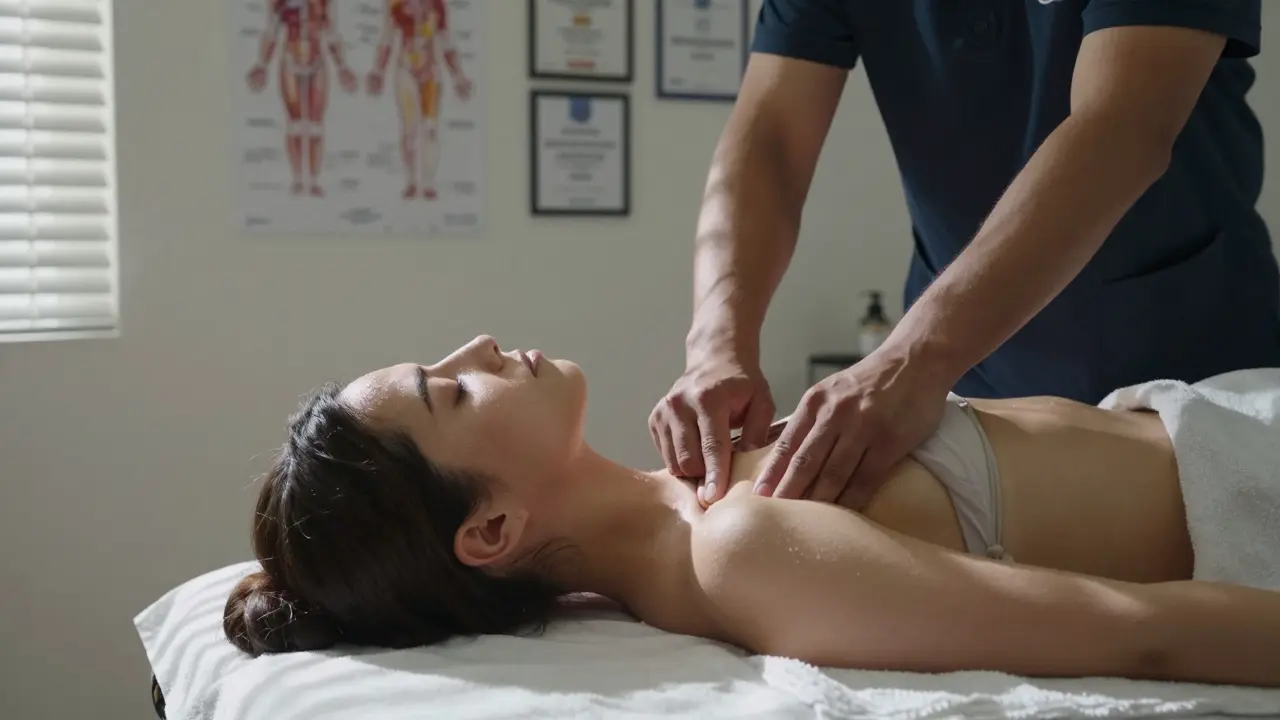
You walk in. The lights are low. A quiet playlist plays-nothing with lyrics. The therapist asks: “Where do you carry your stress?” That’s the most important question they’ll ever ask you.They don’t start massaging right away. They check your posture. They press gently on your shoulders, your neck, your lower back. They’re mapping your tension. Then they begin.
It’s not a gentle rub. It’s targeted pressure. Sometimes it hurts. But it’s the kind of hurt that makes you sigh. You feel a knot release. Your breath deepens. Your jaw unclenches. You forget your emails. Your phone. Your to-do list.
After 60 minutes, you’re not just relaxed. You’re lighter. Like your body forgot how to hold on.
What It Costs (No Surprises)
Prices vary wildly. Here’s what you’ll actually pay in 2025:- Basic 60-minute Swedish: AED 250-350 (hotel spas, tourist traps)
- Therapeutic 60-minute deep tissue: AED 300-450 (licensed clinics, experienced therapists)
- 90-minute Ayurvedic or Thai: AED 400-650 (specialized studios)
- 120-minute luxury package: AED 800+ (only if you want the robe, tea, and champagne)
Don’t fall for “intro offers” of AED 99. If it sounds too good to be true, it is. A good therapist spends years training. They deserve to be paid. Paying less often means you get someone who’s just learning-or worse, someone cutting corners.
Booking tip: Most top therapists take bookings via WhatsApp. Find their number on Google Maps or ask a local. You’ll get a better rate and a real human on the other end.
Safety First: What to Watch Out For
Dubai is safe, but massage isn’t regulated like healthcare. Here’s how to avoid the bad ones:- Never go to a place where the therapist is the same person who takes your money. That’s a red flag.
- Ask if they’re certified. Look for qualifications like “Certified Thai Massage Therapist” or “Licensed Physiotherapist.”
- Watch how they dress. Professional therapists wear modest, clean uniforms-not tight clothes or uniforms that look like they’re from a nightclub.
- Trust your gut. If something feels off, leave. No apology needed.
Also: avoid places that offer “erotic massage” or “sensual touch.” Those aren’t massages. They’re scams-and they’re illegal in Dubai.

Massage vs. Spa: What’s the Difference?
| Feature | Therapeutic Massage | Spa Package |
|---|---|---|
| Primary Goal | Relieve muscle tension, reduce stress hormones | Indulgence, ambiance, luxury experience |
| Therapist Training | Years of anatomy and technique training | Basic orientation, often no medical background |
| Duration | 60-90 minutes focused work | 2-4 hours with facials, scrubs, steam |
| Results | Immediate relief, better sleep, reduced pain | Feels nice in the moment, little long-term change |
| Best For | Chronic stress, desk jobs, athletes, recovery | Special occasions, date nights, self-care days |
Want to fix your stress? Go for massage. Want to treat yourself? Go for the spa. Don’t confuse the two.
Frequently Asked Questions
How often should I get a massage in Dubai for stress relief?
For chronic stress, aim for once every two weeks. If you’re dealing with acute tension-say, after a big project or a long flight-once a week for 3-4 weeks makes a huge difference. After that, switch to monthly maintenance. Your body remembers what relaxation feels like.
Can a massage really help with anxiety?
Yes. Massage doesn’t just relax your muscles-it calms your nervous system. Studies show regular massage lowers cortisol and increases serotonin and dopamine. People with anxiety report better sleep, fewer panic attacks, and more emotional balance after just 4-6 sessions.
Is it okay to get a massage after a long flight?
Absolutely. Long flights cause fluid buildup, stiff joints, and tension headaches. A 60-minute Thai or Swedish massage helps flush out lactic acid, improves circulation, and resets your circadian rhythm. Many travelers swear by getting one the day after landing.
What should I wear during a massage?
You’ll be covered with a towel at all times. Most people wear underwear. For Thai massage, you wear loose clothes. The therapist will tell you what to wear before you start. No one will judge you. This isn’t about appearance-it’s about release.
Are there any side effects after a massage?
Some people feel a little sore for a day after deep tissue work-that’s normal. Drink water. Avoid alcohol and caffeine. If you feel dizzy, nauseous, or have sharp pain, contact your therapist. Mild fatigue is common-it means your body is healing.
Ready to Turn Stress Off?
You don’t need a vacation to feel human again. You just need one hour-with the right person, in the right room, with the right intention. The best massage in Dubai isn’t about the price tag or the location. It’s about what happens when you finally let go.Book your session. Not tomorrow. Not next week. Today. Your body has been holding on long enough.